The Anxiety Reset
A proven guide to reduce stress, calm your mind, sleep better, and finally feel like yourself again.
Chat on WhatsAppYou wake up tired even after sleeping eight hours. Your thoughts race before your feet touch the floor. A simple email feels overwhelming. You replay conversations in your head. Your chest feels tight. Your patience disappears. You smile around people but secretly wonder why your mind refuses to slow down. If that sounds familiar, you’re not alone. Stress and anxiety affect millions of Americans every day, but many people suffer quietly because they think feeling overwhelmed has become normal. It hasn’t. Your brain deserves rest. Your body deserves peace. And your future deserves more than survival mode.
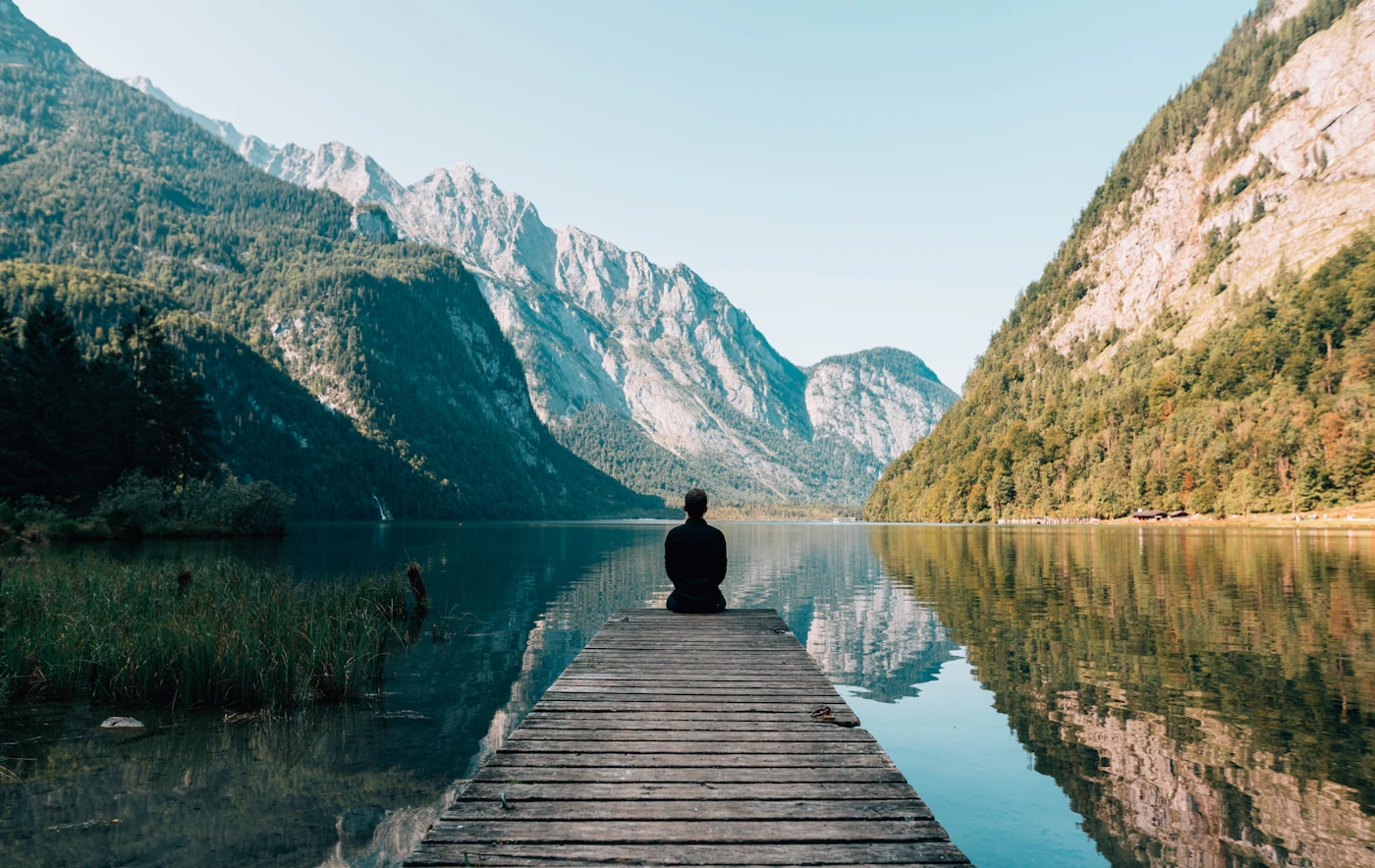
Why Anxiety Feels So Powerful
Anxiety isn’t weakness. It’s your nervous system trying to protect you. Unfortunately, modern life constantly sends danger signals through deadlines, finances, relationships, social media, poor sleep, and information overload. Your body stays stuck in survival mode. That means elevated stress hormones, tense muscles, shallow breathing, poor concentration, digestive problems, and exhaustion. When this cycle repeats daily, even small problems can feel impossible.
Need Personalized Support?
If you’d like one-on-one guidance, personalized recommendations, or help creating a practical plan for managing stress and anxiety, reach out today.
Chat on WhatsAppDaily Habits That Quiet the Mind
| Habit | Benefit |
|---|---|
| Morning Walk | Improves mood and reduces cortisol |
| Deep Breathing | Activates relaxation response |
| Journaling | Organizes racing thoughts |
| Exercise | Boosts endorphins naturally |
| Sleep Routine | Supports emotional resilience |

Small Changes Create Big Results
One of the biggest mistakes people make is waiting until they feel motivated. Motivation comes after action. Start with five minutes. Take a slow walk. Turn off notifications. Write down three worries. Practice breathing for sixty seconds. Those tiny actions train your brain that safety exists. Eventually your nervous system begins responding differently. Progress isn’t perfection. It’s repetition.
Need Personalized Support?
If you’d like one-on-one guidance, personalized recommendations, or help creating a practical plan for managing stress and anxiety, reach out today.
Chat on WhatsAppFrequently Asked Questions
Can anxiety improve naturally?
Many people experience meaningful improvement through lifestyle changes, therapy, stress management, exercise, and healthy sleep habits.
Does exercise reduce stress?
Regular physical activity supports mood regulation and promotes the release of natural feel-good chemicals.
Is overthinking part of anxiety?
Persistent overthinking is a common experience among people dealing with anxiety and chronic stress.
Can sleep affect anxiety?
Poor sleep can make anxious feelings worse, while consistent sleep habits often improve resilience.
Should I seek professional help?
If anxiety interferes with work, relationships, or daily life, reaching out to a qualified mental health professional is a smart step.
Final Action Plan
Begin today. Drink water. Take a walk. Reduce caffeine. Practice breathing. Limit late-night scrolling. Spend time outside. Talk to someone you trust. If symptoms persist or become severe, consult a licensed healthcare or mental health professional for personalized guidance. The journey back to feeling like yourself often starts with one small decision repeated consistently.
Need Personalized Support?
If you’d like one-on-one guidance, personalized recommendations, or help creating a practical plan for managing stress and anxiety, reach out today.
Chat on WhatsAppAuthor Message
Every person experiences stress differently. The goal isn’t to eliminate every challenge but to build the skills that help you recover faster, think more clearly, and enjoy life again. Small improvements accumulate into meaningful change.
Disclaimer
This blog is for educational purposes only and is not intended to diagnose, treat, cure, or replace advice from licensed medical or mental health professionals. Readers experiencing severe symptoms should consult qualified healthcare providers.
